
Reviewed · MAUI FARM TOURS
Taste of Hawaii: A Maui Farm Tour
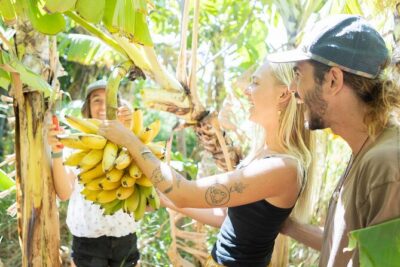
A plate of fresh tropical fruit is a good way to begin a farm tour, but the real appeal at Lā Kāhea is seeing how food, farming, and community fit together on Maui. You’ll walk among the crops, hear about regenerative practices, and, if conditions allow, meet the pigs. I especially like the hands-on sugarcane juicing and the chance to taste fruit grown on the farm.
I also like that the farm’s story is part of the visit. Hosts such as Winsome and guides such as Anna explain why sustainable farming matters on an island where food production has real local importance. One consideration: this is a working, developing farm, not a polished botanical garden, and rain or dry conditions can shape the walk.
- Taste fruit grown on the farm, with a fresh fruit plate and, depending on what is available, other tropical varieties.
- Press sugarcane for juice, a simple, hands-on part of the visit that gives you a taste of the crop as well as a look at how it is used.
- Try banana ice cream, sometimes served with roasted macadamia nuts.
- Learn about Polynesian-introduced crops and the farm’s approach to natural, regenerative growing.
- Take in views of Haleakalā and the West Maui Mountains, with a chance to interact with the farm’s pigs.
- Plan for an outdoor visit, bring water and sun protection, and allow about 90 minutes.
A working farm, not a garden display
Lā Kāhea Community Farm offers a different kind of Maui outing. Instead of sticking to beaches and scenic drives, you spend about an hour and a half learning how food is grown and why a community farm matters. The visit is built around a guided walk, conversation, and tastes from the farm.
That distinction helps set expectations. The farm is still growing and expanding its work, so you should expect a hands-on, practical visit rather than a carefully arranged show garden. One person may find the place a little messy, particularly after rain. If you enjoy seeing a real farm in progress, that roughness can be part of the point. If you want manicured paths and a long list of formal exhibits, this may not be your outing.
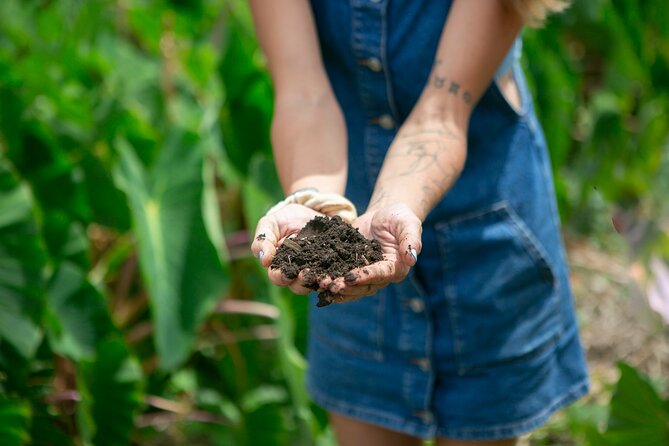
The subject is not just fruit. Hosts explain tropical crops and the farm’s regenerative approach, connecting what you see in the soil and trees to food production and the surrounding community. For a short tour, that mix of local context and tasting gives the visit more substance than a quick photo stop.
Fruit first, then a closer look at the crops
The tour begins at the farm, where the group is welcomed with fresh fruit. The opening tasting is a useful introduction: you get to sample what grows there before heading out to see plants and trees up close. The selection depends on what is available, so don’t expect a fixed menu of specific fruits.
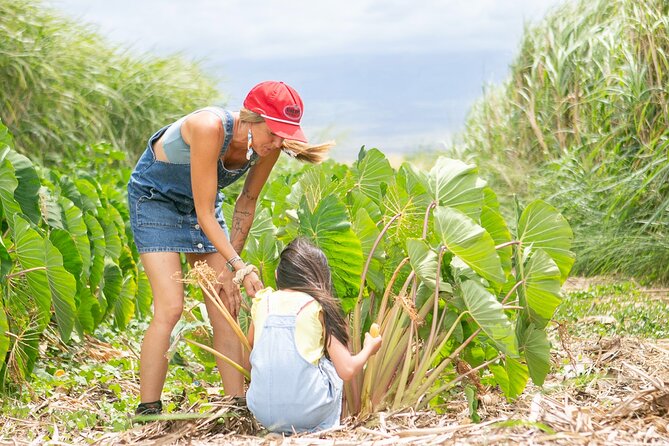
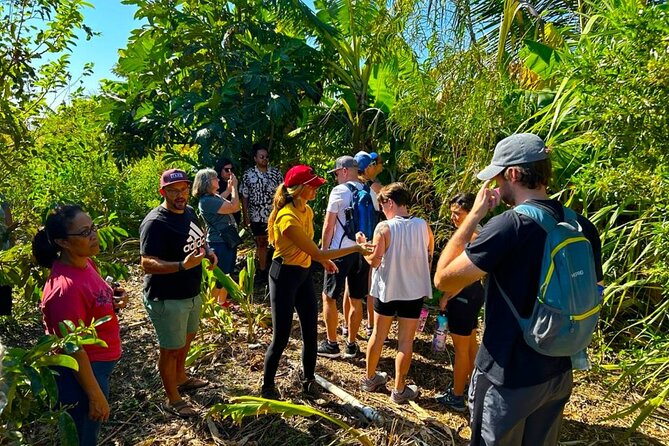
As you walk, the guide introduces the crops and discusses their leaves, fruit, and place in local farming. You’ll also hear about plants brought to Hawaiʻi by Polynesians and the farm’s approach to natural growing. This makes the walk worthwhile even if you already know your way around a fruit bowl. You are connecting a taste to the plant that produced it and to a longer story of food in Hawaiʻi.
The format is conversational rather than highly formal. Anna is among the guides praised for bringing energy and clear explanations, while Winsome, the farm’s owner, is often part of the welcome and discussion. Other team members have also led visits, so the exact host may vary. The common thread is a personal account of the farm’s goals and work.
You might get to smell or taste less familiar fruit while walking through the farm. That can be one of the most memorable parts, but availability is naturally tied to what is growing and ready. Think of the tasting as a sample of the farm’s current harvest, not a guaranteed catalogue of every tropical fruit you have heard about.
More farm visits in Maui:
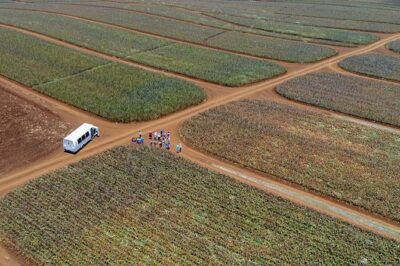
- Maui Pineapple Farm Tour in Haliimaile
★ 5.0 · 2,855 reviews - Lahaina: Maui Ku’ia Estate Guided Cacao Farm Tour and Tasting
★ 5.0 · 1,103 reviews - Maui: Road to Hana Adventure with Farm to Table Lunch
★ 5.0 · 877 reviews
Sugarcane juice you help make
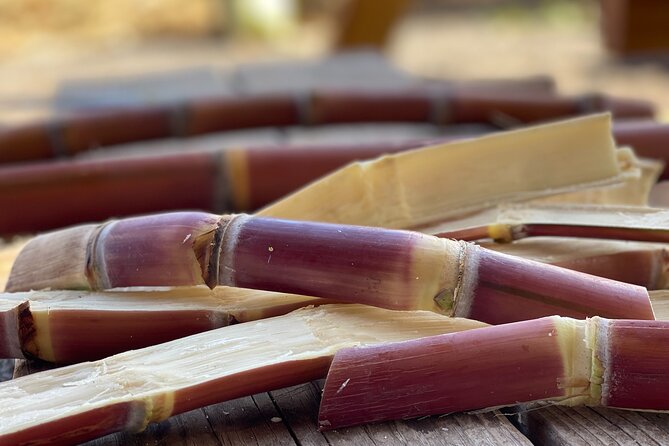
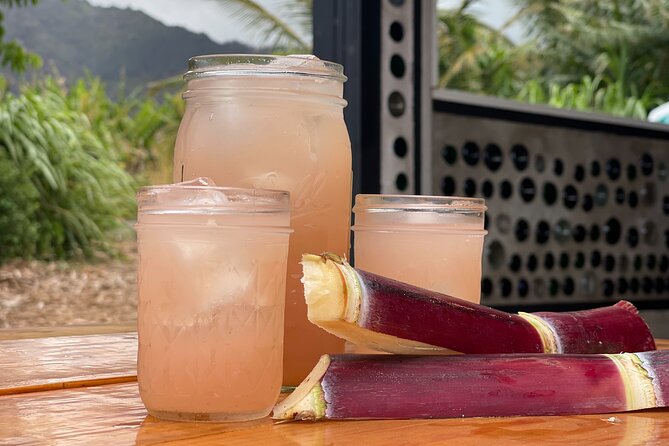
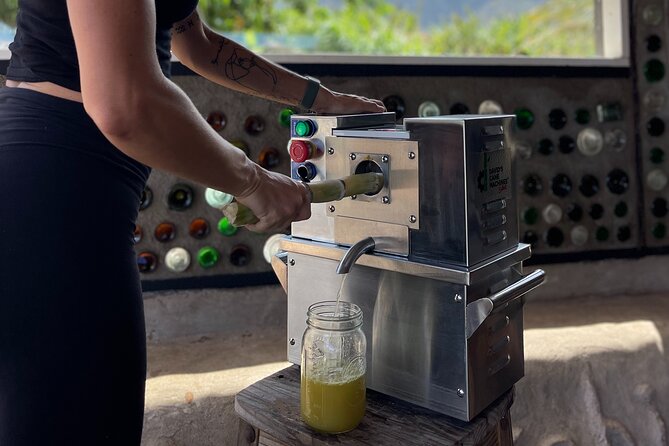
The sugarcane stop gives you more to do than simply lift a glass. Participants have the chance to press sugarcane and make fresh juice, turning the crop into a refreshing drink while showing how a plant can be used. It is a small activity, but a satisfying one: you see the process and then taste the result.
Several parts of the tour are described as interactive, but the sugarcane juicing is the clearest hands-on moment. It also suits families and adults who like to learn by trying something rather than listening to a talk alone. The juice has been described as refreshing, and the experience is a good reminder that farm food can be more than a tasting plate.
Some visits also finish with banana ice cream, sometimes called banana nice-cream, and roasted macadamia nuts. It is a welcome sweet ending after the walk and a chance to try another farm-based treat. Food offerings can depend on the day and what is available, so treat the specific dessert as a likely highlight rather than a fixed promise.
Views, pigs, and an outdoor setting
The farm tour comes with views of Haleakalā and the West Maui Mountains. That scenery gives you a sense of Maui’s varied terrain while you focus on the crops and the people growing them. Bring your phone or camera if you want photos, but keep the visit centered on the farm itself. The view is a bonus, not the whole event.
You may also have the opportunity to feed or interact with the farm’s friendly pigs. The wording matters: this is a possibility, not a guaranteed activity. If meeting animals is the main reason you are considering the tour, keep that uncertainty in mind.
This is an outdoor farm experience, so conditions matter. A review notes that rain affected the walk, and another advises bringing water and sunblock because the area can be dry. Those are sensible preparations for a 90-minute visit. The tour may be canceled for poor weather, in which case you are offered another date or a refund.
The physical demands are not specified in detail, but the activity is described as suitable for most people. It includes walking around a farm, so anyone who needs particular access arrangements should check directly with the provider before booking rather than assume the route will suit their needs.
Why the community-farm story matters
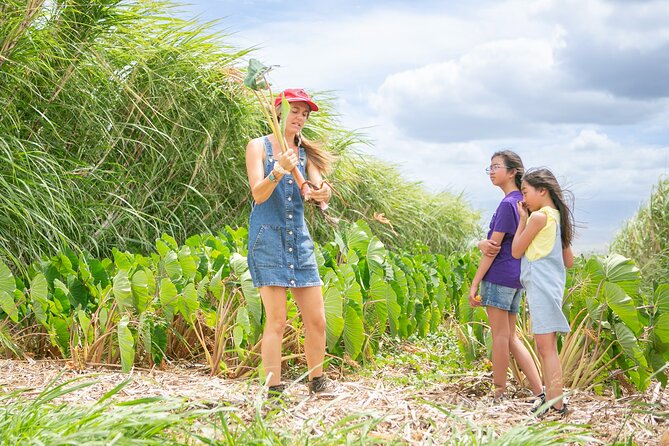
The farm’s purpose is a central part of the visit. You hear about sustainable and regenerative farming, the needs of Maui agriculture, and the farm’s aims for the surrounding community. That context makes the tour more than a chance to sample fruit: it gives you a clearer sense of the choices involved in growing food on an island.
The strongest explanations come through the hosts’ own experience. Winsome’s personal account of the farm and its plans helps put the growing methods in context, while guides such as Anna make the walk accessible and lively. The result is a small-scale look at local agriculture, not a broad survey of every farm or crop on Maui.
If you garden at home, you may find the growing discussion especially useful. The tropical plants offer a contrast to familiar temperate crops, and the tour connects practical details about leaves and fruit with a larger conversation about farming sustainably. If you are not a gardener, the tasting and the farm’s community focus still give you plenty to take away.
More Maui tours:
- Maui Eco-Raft Tour: Eye-Level Whale or Dolphin Watching – Lahaina
★ 5.0 · 2,482 reviews - Maui Snorkeling Adventure to Molokini and Turtle Town
★ 4.5 · 2,221 reviews - Maui: Haleakala Sunrise Spectacular with Local Breakfast
★ 4.5 · 2,155 reviews - Maui Snorkeling Adventure From Ma’alaea Harbor to Molokini
★ 4.5 · 1,997 reviews
Is $75 a good value?
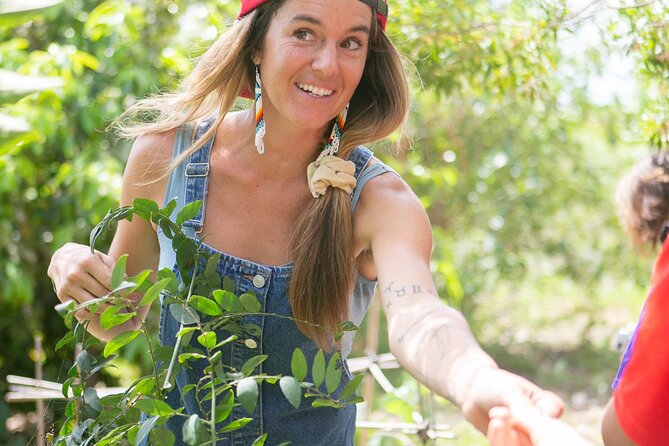
At $75 per person, this is not a bargain snack stop. You are paying for a guided 90-minute farm visit that combines tasting, conversation, and an interactive sugarcane activity. The fruit, fresh juice, and banana dessert add a food component, while the hosts’ explanations give the tour its educational value.
The price makes the most sense if you are interested in both the food and the farming. If you only want a large meal, this is not described as a full lunch, though one account mentions a hands-on farm-to-table meal in a different class. Don’t book this short tour expecting a substantial meal or a cooking workshop.
For a couple, it can be a relaxed break from the usual Maui itinerary. For families, the fruit and sugarcane activities can help hold a child’s interest, though the educational focus may suit older children better. One parent found it a good fit for a nine-year-old, while another felt it was not ideal for young children. That difference points to the key question: does your child enjoy walking, listening, and trying unfamiliar foods?
The tour has a maximum group size of 35. That is large enough for a lively group, though not an intimate one-on-one farm visit. It is offered in English, starts at 10:30 a.m., and ends back at the meeting point in Wailuku. The experience is commonly booked well in advance, with an average lead time of 32 days, so it is wise not to leave it until the last minute if it is a priority.
Who should book the Lā Kāhea farm tour?
I’d put this tour high on the list if you want an activity that adds local food and agriculture to your Maui trip. It suits curious eaters, home gardeners, couples, and families with children who can enjoy a guided outdoor visit. The best parts are the fresh fruit, the chance to make sugarcane juice, and the personal explanation of why the farm is being built.
I’d think twice if you expect a polished attraction, a long animal encounter, or a full meal. The farm is still developing, some details depend on the day, and the experience can be affected by weather. If those limits sound fair, the visit offers a distinctive, practical look at Maui beyond its coastline. Book it for the mix of tasting and local farming insight, and arrive ready for an outdoor walk.
FAQ
How long is the Lā Kāhea Community Farm tour?
The tour lasts approximately 1 hour and 30 minutes.
What time does the tour start?
The listed start time is 10:30 a.m.
Where does the tour meet?
It starts at 2100 HI-30, Wailuku, HI 96793, USA.
Where does the tour end?
The activity ends back at the meeting point.
How much does the tour cost?
The listed price is $75 per person.
What language is the tour offered in?
The tour is offered in English.
How many people can join the tour?
The maximum group size is 35 people.
Can I cancel for a refund?
You can cancel for a full refund if you do so at least 24 hours before the start time. If poor weather cancels the tour, you will be offered another date or a full refund.
Just added around Maui
- Fun Mountain Bike riding on trails in Maui Hawaii!★ 5.0 · 11 reviews
- Maui’s Only Clear Bottom Kayak Rental (priced per tandem kayak)★ 4.0 · 12 reviews
- 3-Tank Dive Featuring the Molokini Crater★ 5.0 · 5 reviews
- “Origins” Multicultural Dance Spectacular★ 5.0 · 23 reviews
- Mermaid and Merman Photoshoots on Maui★ 5.0 · 4 reviews
- Maui Jewelry Making Class with Puka Shells and Pearls★ 5.0 · 7 reviews
- Instant Island Moments: photos and video same day delivery★ 5.0 · 9 reviews
- Famous Road to Hana Waterfalls, Black Sand Beach & Lunch★ 5.0 · 32 reviews
Maui Farm Tours, compared.
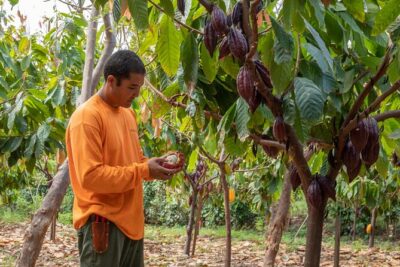
Maui Ku’ia Estate Guided Cacao Farm Tour and Tasting
Read our review →
Road to Hana Adventure with Farm to Table Lunch
Read our review →

Browse the lists this tour appears in