
Reviewed · MAUI SCUBA DIVING
Maui: Beginner Discovery Scuba Dive Excursion from Lahaina
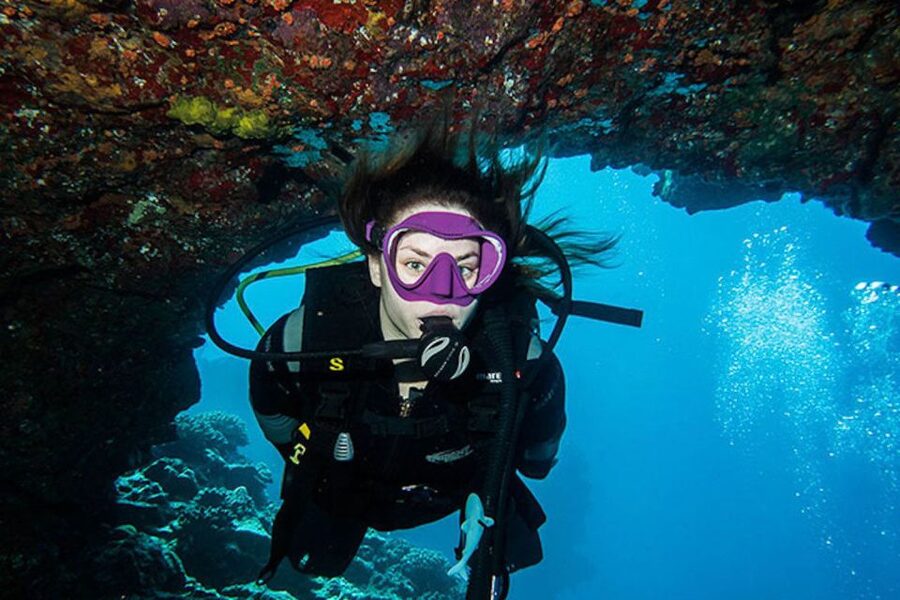
The first breath through a regulator can feel like stepping into another world. This Lahaina-area beginner scuba experience pairs a shore lesson with a guided visit to shallow reef water, so you can try breathing underwater without first earning a certification. I like the small group cap of four, and I like that the instructor teaches the basic skills before you enter the ocean.
The main consideration is that this is a real physical activity, not a look-from-the-boat outing. You need to be in good health, complete the medical waiver, and be comfortable in the water; the activity is listed as unsuitable for non-swimmers. Also plan your flight carefully: you must wait at least 24 hours after the session before flying.
At a glance
- Small group, no more than four: The low headcount gives your instructor room to adjust the pace and check that you feel ready.
- Shore lesson before ocean time: Learn regulator breathing, buoyancy basics, safety signals, and how to move underwater before heading into shallow water.
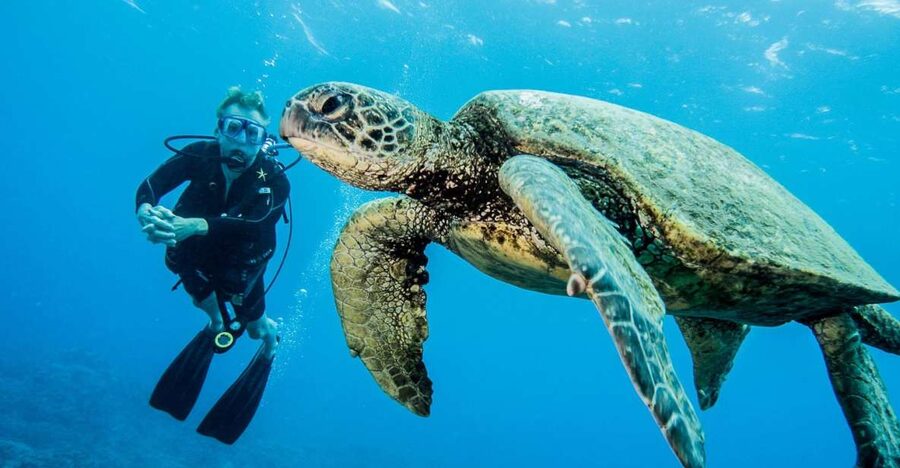
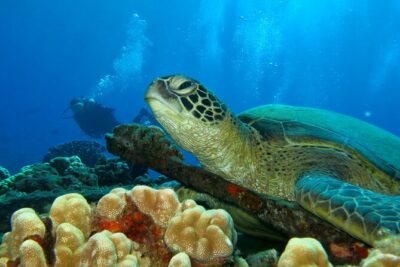
- Marine life is part of the appeal: Green sea turtles, reef fish, and rays are possible sights, not guaranteed ones.
- No certification required: This is an introduction, and the skills may count toward certification, but the session does not certify you.
- Do the PADI e-learning ahead of time: It is included at no extra cost and must be finished at least 24 hours before the activity.
- Allow for a little schedule ambiguity: The advertised duration is 150 minutes, while the included lesson is also described as three hours. Confirm the expected timing with the operator.
A first look beneath Maui’s surface
This is a good way to find out whether scuba suits you before committing to a full certification course. You get instruction, equipment, and a guided ocean session in one booking, with a certified instructor close by rather than a large group moving at one pace.
The setting is the coast near Lahaina, where the lesson leads into shallow water. The point is not to cover a long route or reach a particular depth. It is to get comfortable with the equipment, learn how to breathe through it, and take in the reef at a pace that feels manageable.
You may see green sea turtles, tropical fish, or rays. Marine life is never a sure thing, and underwater visibility can change. One session took place after rain, when runoff reduced visibility, though the group still spotted a turtle and fish. Go for the experience of learning underwater, not for a guaranteed wildlife checklist.
The experience costs $238 per person. That is a meaningful spend for a 150-minute activity, but it covers the instructor, required equipment, water, and a small-group format. If personal guidance is what will help you feel calm enough to try scuba, the low participant limit is the value proposition. If you are already certified or mainly want a longer ocean outing, this introductory format may feel short for the price.
More dives in Maui:
- 2 Tank Lanai Cathedral Scuba Dive Via Boat for Certified Divers
★ 5.0 · 548 reviews - Intro/Refresher Dive Swim Ability Required
★ 5.0 · 248 reviews - Small-Group Shark and Turtle Dive for Certified Divers
★ 5.0 · 219 reviews
Before you reach the water
Your preparation starts before the activity day. You receive a link to a short PADI e-learning lesson after booking, and you need to complete it at least 24 hours in advance. It gives you a first look at the basics, so the in-person time can focus on practical skills and questions.
You must also fill out a medical waiver and submit it to the local operator before arrival. Take that seriously. The activity requires good physical health and is not suitable for people with heart or back problems, pregnant people, or wheelchair users. If you have a medical concern or a recent surgery, contact the operator before booking rather than relying on a decision at the beach. One person was unable to take part after disclosing surgery within the previous year.
The meeting point and guide’s name are provided the day before, and you are asked to contact the operator to confirm the location and time. That is worth doing, especially because the session uses a local beach and the meeting details are not fixed in the information provided here.
Wear your swimsuit under your clothes, as one participant found convenient when changing into gear. You may also want water shoes for the walk from the parking area to the beach; one participant wished they had brought a pair. If you hope to buy a T-shirt, ask about merchandise before leaving the initial meeting location. The same participant found there was no return to that spot afterward and that shipping a shirt later cost extra.
The shore lesson and equipment fitting
Expect the instructor to begin with safety and basic technique on shore. You learn how to breathe through a regulator, use underwater hand signals, manage buoyancy, and move safely with the equipment. The practical lesson matters: for a first-timer, knowing what to do when you feel unsure can make the ocean portion far less intimidating.
The instructor helps you suit up and use the required gear. Past sessions have included a short knowledge check after the safety briefing, followed by fitting a wetsuit and fins. The exact order and format may vary, but the aim is the same: get you familiar with the equipment before you enter the water.
This is where the small group matters most. With no more than four participants, the instructor can take time to answer questions and check in with each person. The accounts of instructors including Kevin, Rick, Bruce, Brad, Emma, Gu, Mia, and Dave describe a calm, patient teaching style, but your assigned guide may be someone else. Names are not guaranteed, so treat the individual instructor as an unknown until the day before.
Nerves are normal. Some people arrived anxious or with little experience in the water and needed time to settle in. The useful feature here is that the instructor can adapt the pace and keep you at a level where you feel comfortable. That does not remove the need to be honest about your swimming ability or health.
Entering the shallow coastal water
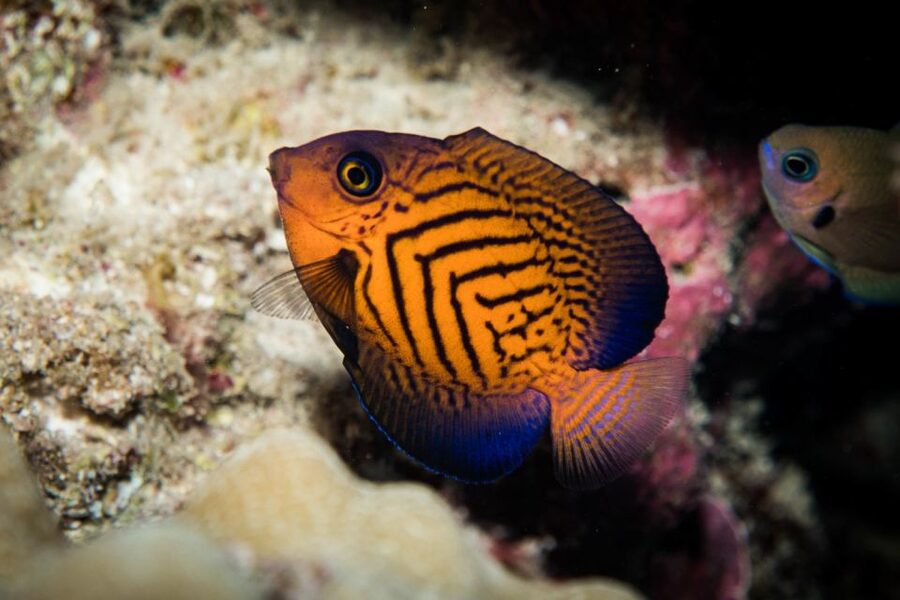
After the lesson, you head to a tropical beach near Lahaina for the ocean portion. The supplied details do not name a particular beach, and the meeting point is shared shortly before the activity, so you should not assume a specific site. The plan is to practice in calm, clear island water, though sea and visibility conditions can vary.
Your instructor guides you into the water and stays close as you apply the skills from shore. You learn what it feels like to breathe underwater and move with scuba equipment, rather than simply watching an instructor demonstrate. For a beginner, this is the heart of the session: it turns abstract instructions into something you can feel and control.
The water is described as shallow, but no exact depth is given. That distinction matters if you are nervous about being far below the surface. The instructor can adjust the experience to your comfort and ability, but you should ask about the plan and your own limits before entering the water.
There is a note worth handling carefully: the activity is marked unsuitable for non-swimmers, even though one past participant said they could barely swim and still completed the session with close instructor support. That personal account does not override the stated restriction. If you are not a swimmer, contact the operator before booking and be clear about your ability.
More West Maui tours in Maui:
- Maui Eco-Raft Tour: Eye-Level Whale or Dolphin Watching – Lahaina
★ 5.0 · 2,482 reviews - Maui: Lahaina ATV Adventure
★ 5.0 · 1,582 reviews - Maui: Original Sunset Cruise with Open Bar from Ka’anapali Beach
★ 5.0 · 1,422 reviews - West Maui Half Day Snorkel from Ka’anapali Beach
★ 5.0 · 1,253 reviews
Reef fish, turtles, and changing visibility
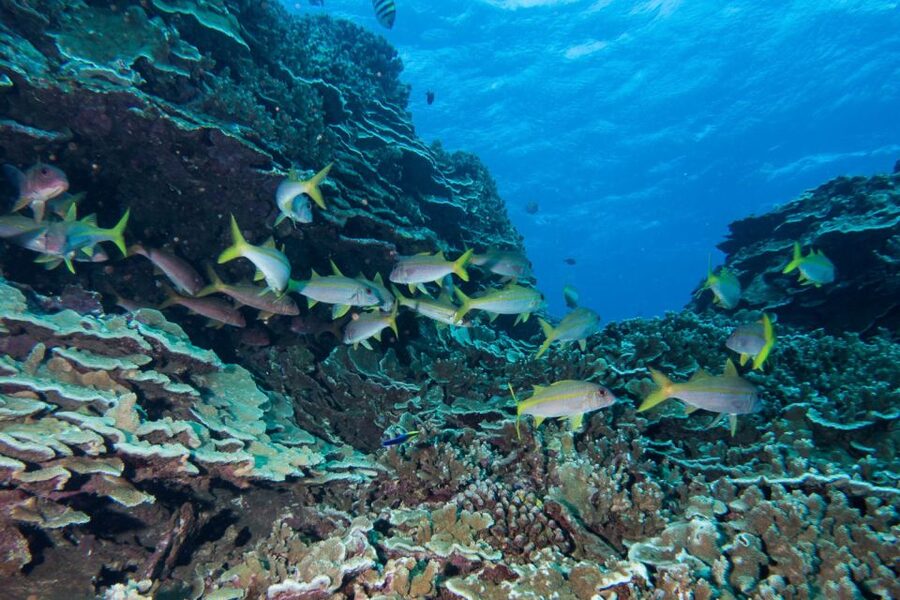
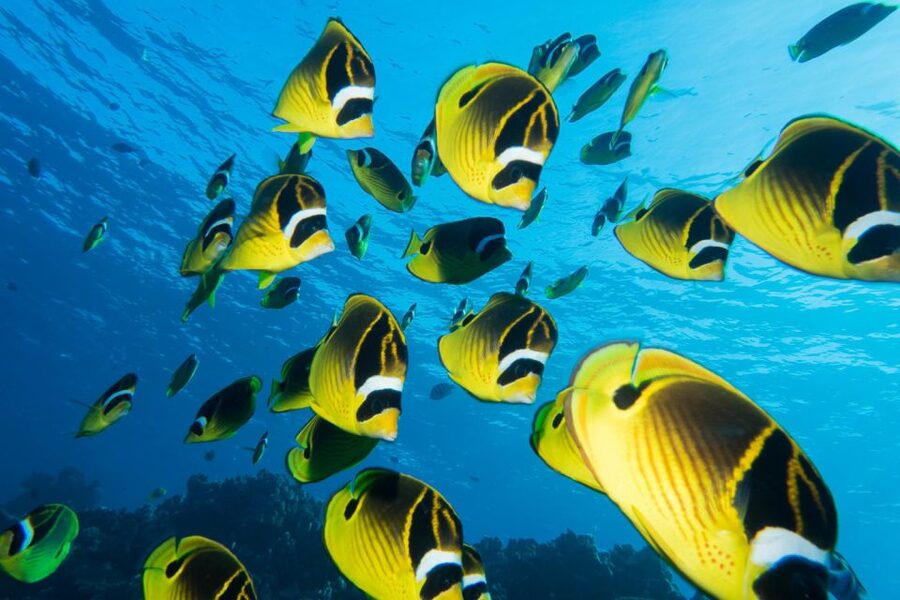
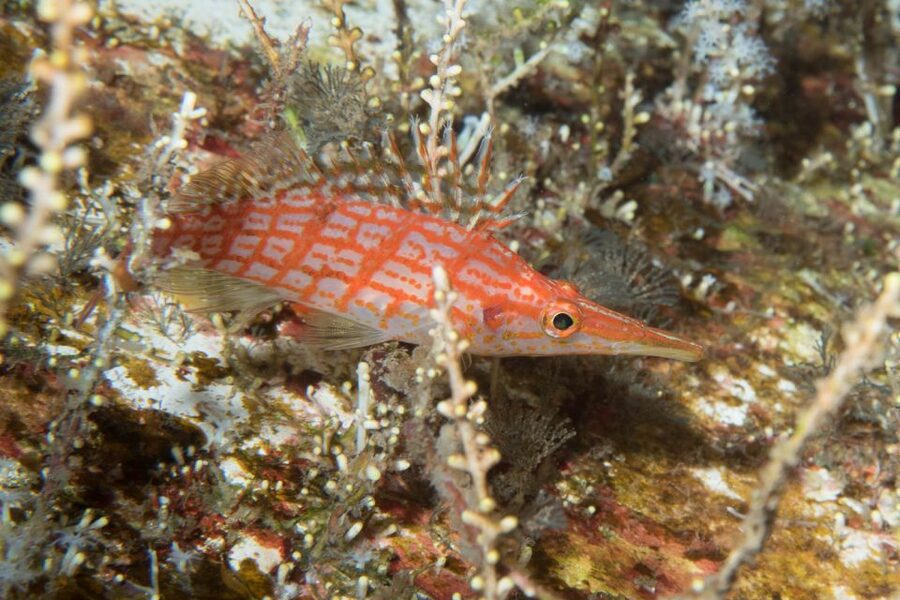
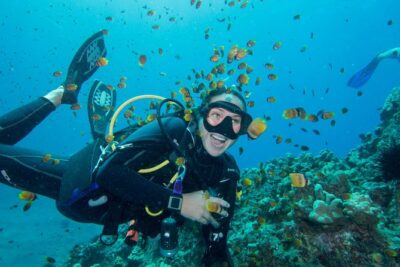
Once you are settled, the aim is to explore the reef and notice the marine life around you. Expect tropical fish and coral scenery; green sea turtles and rays are among the possible sightings. The instructor can point out fish and help you focus on the reef instead of spending the whole time thinking about your gear.
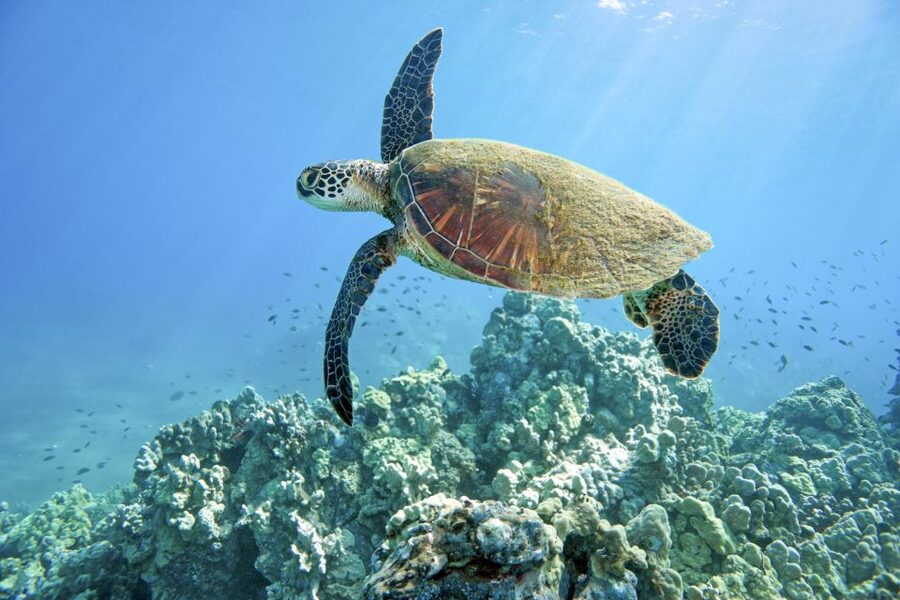
Turtles are a memorable possibility, but wildlife is unpredictable. Some sessions have seen them, while weather and water conditions can affect what you can see. Rain, for example, can cloud the water. If visibility is less than ideal, the outing still gives you the chance to practice scuba and observe marine life, but it may not deliver the clear underwater views you had in mind.
A few people chose to pay for a second tank and continue with another underwater session. That option is not listed as included, so ask the operator about availability and cost if you think you may want more time. For some first-timers, the second session felt easier because the initial nerves had passed and the equipment had become familiar. Do not assume it will be offered or that you will be able to add it on the day.
The short length is both an advantage and a limit. You can test the activity without setting aside a full day, but 150 minutes includes instruction and preparation, not just time in the ocean. The included lesson is also described as three hours, so confirm the expected total duration before you build the rest of your day around it.
What the $238 price buys
At $238 per person, this is not the cheapest way to see Maui’s underwater life. Snorkeling costs less and asks less of you physically. Here, you are paying for a certified instructor, all required scuba equipment, a small group, and guided practice in the water. That personal attention is especially useful if you are nervous or want someone to help you through each new step.
The session does not include hotel pickup or drop-off, so transport to the meeting point is your responsibility. Water is included. The experience does not include scuba certification, although it can count toward certification. If you decide you want to continue, ask the operator how this session may apply to the next stage.
For a beginner who wants to try scuba without signing up for a certification course, the price can make sense. You get instruction and an ocean introduction in one outing. For someone already comfortable underwater, or anyone expecting a long session with guaranteed turtle sightings, the cost may be harder to justify.
Who should book this Lahaina session
Book it if you are curious about scuba, in good health, and want a guided first experience rather than a self-directed outing. It is a particularly sensible choice if you value a small group and want an instructor who can slow down, explain a skill again, or help you regain confidence.
It can also suit a couple or family member pair with different confidence levels, provided each person meets the health and swimming requirements. The instructor can tailor the pace, but everyone needs to be able to participate safely. The minimum age is not specified here, so ask the operator if you are booking for a child.
Skip it if you are pregnant, have a heart or back problem, use a wheelchair, or are a non-swimmer, as those groups are listed as unsuitable. If you have a medical history that might affect participation, check before paying. And if you plan to fly soon after, choose another day: flying within 24 hours of the activity is not permitted.
FAQ
Do I need scuba certification to take part?
No. This is an introductory session and does not require certification. It does not provide certification, but it can count toward certification.
How long does the activity last?
The duration is listed as 150 minutes. The included lesson is also described as three hours, so confirm the expected schedule with the operator before the activity.
What marine life might I see?
You may see tropical reef fish, green sea turtles, and rays. Sightings and visibility depend on conditions and are not guaranteed.
Is the PADI e-learning included?
Yes. It is provided at no extra cost and must be completed at least 24 hours before the activity.
Can I fly after the session?
You must not fly within 24 hours after the activity.
Is the activity suitable for non-swimmers?
No. Non-swimmers are listed as unsuitable, and participants are expected to be physically fit and in good health. Contact the operator if you are unsure how your swimming ability or medical history affects eligibility.
Should you book it?
If you want a careful, instructor-led introduction to scuba and are comfortable with the health and swimming requirements, this is a worthwhile way to try it near Lahaina. The best reasons to book are the four-person group limit and the chance to practice in the ocean after a shore lesson. Keep expectations grounded: the session is short, wildlife is not guaranteed, and the meeting details arrive close to the day. Confirm the timing, medical eligibility, and transport plan, then book if the chance to breathe underwater is worth the $238 price for you.
Just added around Maui
- Fun Mountain Bike riding on trails in Maui Hawaii!★ 5.0 · 11 reviews
- Maui’s Only Clear Bottom Kayak Rental (priced per tandem kayak)★ 4.0 · 12 reviews
- 3-Tank Dive Featuring the Molokini Crater★ 5.0 · 5 reviews
- “Origins” Multicultural Dance Spectacular★ 5.0 · 23 reviews
- Instant Island Moments: photos and video same day delivery★ 5.0 · 9 reviews
- Mermaid and Merman Photoshoots on Maui★ 5.0 · 4 reviews
- Maui Jewelry Making Class with Puka Shells and Pearls★ 5.0 · 7 reviews
- Famous Road to Hana Waterfalls, Black Sand Beach & Lunch★ 5.0 · 32 reviews
Maui Scuba Diving, compared.
2 Tank Lanai Cathedral Scuba Dive Via Boat for Certified Divers
Read our review →
Beginner Scuba Dive in Lahaina: Swimming Required
Read our review →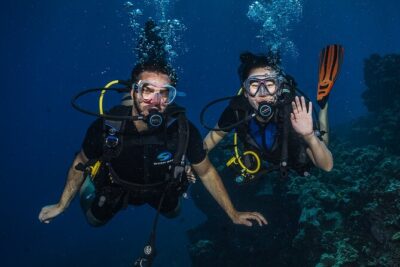
Small-Group Shark and Turtle Dive for Certified Divers
Read our review →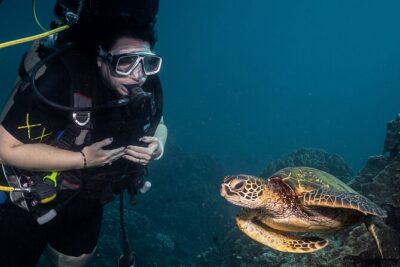
Maui Scuba Diving Introductory Lesson from Lahaina
Read our review →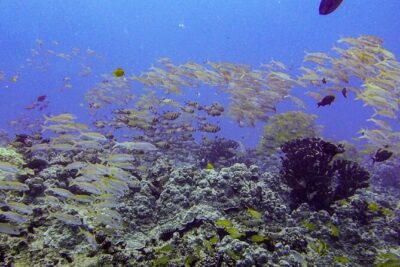

VIP Aloha Nui Snorkel Adventure w/ optional SCUBA from Lahaina
Read our review →Browse the lists this tour appears in